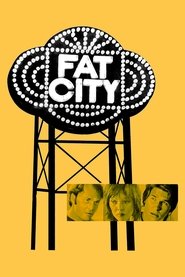
“Fat City 1972” follows the rise and fall of two boxers in the dingy world of small-time boxing. Told through gritty visuals and subtle performances, the film is a haunting portrayal of broken dreams and the bitter realities of life. With its unflinching look at the sport of boxing, “Fat City” offers a hard-hitting commentary on the human condition.
CLICK HEREâââ📺_Watch Fat City 1972 English Subtitles_
Review
Fat City: A Hemingway-esque Tale of the Human Condition
In the dusty streets of Stockton, California, emerges a tale of grit and determination. Fat City, directed by John Huston and based on Leonard Gardner’s novel of the same name, takes viewers on a journey through the lives of two boxers struggling to find their footing in a world that seems to be constantly knocking them down.
The film opens with an introduction to our protagonist, Billy Tully (played by Stacy Keach), an alcoholic former boxer who has fallen from grace and now spends his days doing manual labor. Through him, we see the harsh reality of life for those who once had it all but now struggle just to get by.
It is not until Tully meets Ernie Munger (Jeff Bridges), a young and eager boxer just starting out, that he starts to contemplate getting back into the ring. Munger represents hope for Tully- a chance to redeem himself and reclaim his former glory.
As the two men train together, we see them as more than just boxers but as complex individuals with their own unique struggles. While Munger is ambitious and optimistic about his future in boxing, Tully is haunted by his past mistakes and plagued by self-doubt.
Huston’s direction brings these characters to life with simplicity and honesty. There are no grandiose speeches or showy moments- just raw emotion captured beautifully on screen. The subtle performances from both Keach and Bridges make their characters come alive in vivid detail.
Perhaps one of the most striking aspects of Fat City is its portrayal of poverty in America during the 1970s. The film takes place during a time when unemployment rates were high, and many people were struggling financially. It offers an unflinching look at what it means to live in a society that does not value its lower-class citizens.
Through Munger’s eyes, we see the allure of boxing- not only as a potential escape from poverty but also as a way to prove oneself in a world that constantly tells you you’re not good enough. The film challenges the viewer to question why some people are forced to resort to violence just to make a living.
The film’s dialogue is sparse yet impactful, much like Hemingway’s own writing style. Lines like “Anybody can be a bum” and “I’ll get out of here even if it kills me” linger in the mind long after the credits roll. They are simple yet effective in conveying the struggles of these characters.
In terms of production, Fat City boasts stunning cinematography by legendary DP Conrad Hall. He captures the gloomy atmosphere of Stockton beautifully, with shots of empty bars and rundown motels evoking a sense of loneliness and desperation.
Despite receiving critical acclaim upon its release, Fat City was not a commercial success. Perhaps it was too bleak for audiences at the time or too rooted in realism when many were seeking escapism. However, over time, it has rightfully earned its place as a classic American film.
In conclusion, Fat City is a Hemingway-esque tale of the human condition- full of grit, determination, and an unapologetic honesty about the harsh realities of life. Huston’s direction and Hall’s cinematography make for an unforgettable viewing experience that stays with you long after it ends. Its themes still resonate today, making it a timeless piece of cinema that deserves recognition for its contribution to American filmmaking.
Technical Data

- Release : 1972-07-26
- Runtime : 97
- Genre : Drama
- Cast : Stacy Keach as Tully, Jeff Bridges as Ernie, Susan Tyrrell as Oma, Candy Clark as Faye, Nicholas Colasanto as Ruben
- Crew : Conrad L. Hall as Director of Photography, Fred Roos as Casting, Jack H. Young as Makeup Artist, Richard Sylbert as Production Design, John Huston as Director
- Revenue : 0
- Budget : 0
- Company : Columbia Pictures, Rastar Productions
- Popularity : 9.009
- Summary : Two men, working as professional boxers, come to blows when their careers each begin to take opposite momentum.
- Tagline : Life is what happens in between rounds.
