“Love in the Afternoon 1972″ is a film about a young girl learning about love and life. She meets a sophisticated playboy who teaches her about passion and desire. As she falls deeper in love, she must decide if she wants to continue down this dangerous path or return to the safety of her old life. The film explores themes of youth, innocence, and temptation through beautiful cinematography and powerful performances. It’s a slice of life story that will leave you feeling enamored.”
CLICK HERE⤓⤓⤓👉ðŸ¼_Watch Love in the Afternoon 1972 English Subtitles_
Review
In the film industry, it is rare to come across a movie that can stir the soul and evoke feelings of nostalgia. The film “Love in the Afternoon”, directed by Billy Wilder, is a perfect depiction of such a movie. The story captures life’s essence, laced with romance, passion, and grace.
The plot tells of Ariane (Audrey Hepburn), a young woman living in Paris, who gets entangled in a web of love with a philandering millionaire businessman named Frank Flannagan (Gary Cooper). Ariane’s father Claude Chavasse (Maurice Chevalier), who is an experienced private investigator hired to catch Frank Flannagan in his extramarital affair, discovers that his daughter has also fallen for the charm of this playboy.
As their attraction blossoms, Ariane must face the harsh reality of loving a man who has a reputation for being unfaithful. Despite this, she still cannot resist Flannagan’s allure. In an attempt to get to know him better, she becomes his confidante and learns about his past relationships through stories of his conquests from around the world.
The film beautifully captures the romanticism between Audrey Hepburn and Gary Cooper’s characters. Hepburn’s performance as Ariane is captivatingly innocent yet cleverly sophisticated. Her vulnerability is admirable, and her charm leaves the audience longing for more. Cooper’s portrayal of Frank Flannagan’s confident demeanor complements Hepburn’s character perfectly.
One quote from “Love in the Afternoon” that should be mentioned is when Ariane tells Claude Chavasse what love means to her: “Love isn’t like it is in books or movies. It’s not about lightning bolts or thunderbolts; it’s just love between two people.â€
The film score composed by Franz Waxman gives it depth and soulfulness that enhances its narrative arches beautifully. Waxman’s music adds a haunting quality to the romantic moments, creating an atmosphere of intimacy and passion.
“Love in the Afternoon” was filmed on location in Paris, which adds to its enchanting character. The cinematography is stunning, showcasing the beautiful city of Paris through Wilder’s lens. The film also features exquisite haute couture fashion designs by Hubert de Givenchy that have become iconic.
Released in 1957, “Love in the Afternoon” received critical acclaim for its superb storytelling, acting, and cinematography. Despite being a classic masterpiece of cinema, it was not recognized with any major awards at the time of release.
The film’s popularity has stood the test of time, with audiences continuing to enjoy it six decades later. Its intricate storyline and raw portrayal of love and passion continue to captivate viewers worldwide.
“Love in the Afternoon” is not only a love story but also an ode to Parisian culture and style. It captures life’s essence with elegance and grace that has become synonymous with Billy Wilder’s directing prowess.
The film is a beautiful expression of Gabriel Garcia Marquez’s style that explores the intricacies of human emotions through a rich portrayal of characters that are entirely relatable. It is still relevant today as it was in the late ’50s when it first premiered.
In conclusion, “Love in the Afternoon” is an excellent movie that leaves you wanting more. Its compelling narrative arches captivate you from start to finish while immersing you into Ariane’s world full of passion and desire. This movie must be appreciated for what it is: a timeless classic that will remain etched deep within your heart long after its last scene fades out.
Technical Data
- Release : 1972-09-01
- Runtime : 97
- Genre : Drama, Romance, Comedy
- Cast : Bernard Verley as Frédéric, Zouzou as Chloé, Françoise Verley as Hélène, Daniel Ceccaldi as Gérard, Malvina Penne as Fabienne
- Crew : Philippe Rousselot as Assistant Camera, Néstor Almendros as Director of Photography, Michel Laurent as Sound Assistant, Cécile Decugis as Editor, Jean-Pierre Ruh as Sound Recordist
- Revenue : 0
- Budget : 0
- Company : Les Films du Losange
- Popularity : 8.037
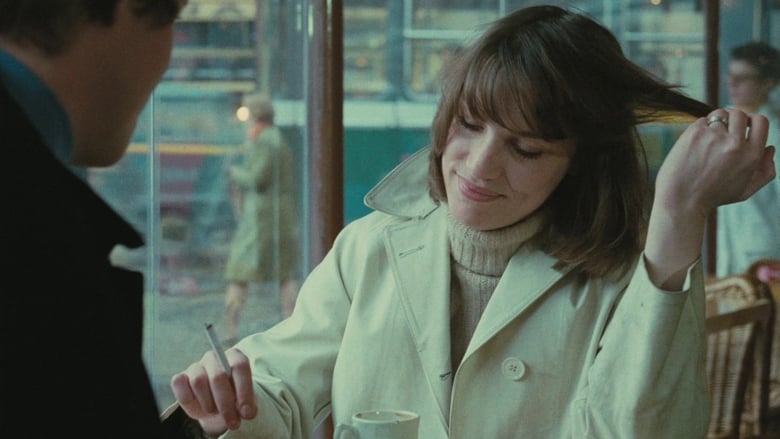
- Summary : The last of Rohmer’s Six Moral Tales. Frederic leads a bourgeois life; he is a partner in a small Paris office and is happily married to Helene, a teacher expecting her second child. In the afternoons, Frederic daydreams about other women, but has no intention of taking any action. One day, Chloe, who had been a mistress of an old friend, begins dropping by his office. They meet as friends, irregularly in the afternoons, till eventually Chloe decides to seduce Frederic, causing him a moral dilemma.
- Tagline :
