“The Great Ziegfeld” is a cinematic extravaganza, akin to a glittering diamond. It tells the story of Florenz Ziegfeld, a showman extraordinaire who rises to fame in the vaudeville age. With sweeping musical numbers and lavish production design, this film captures the essence of spectacle and showmanship. As we follow Ziegfeld’s journey from obscurity to wealth and celebrity, we witness the highs and lows of his personal life, including his complicated relationships with women. It culminates in a breathtaking final sequence that showcases the opulence and grandeur of Ziegfeld’s theatrical vision. Ultimately, “The Great Ziegfeld” is a celebration of artistry, ambition, and the power of entertainment to transport us to another world.

CLICK HERE??????_Watch The Great Ziegfeld 1936 English Subtitles_
Review
The Great Ziegfeld: A Glamorous Tale of Showbiz and Romance
When it comes to films that capture the glamour and excitement of the entertainment industry, few productions can match the epic splendor of The Great Ziegfeld. Directed by Robert Z. Leonard and released in 1936, this movie tells the story of Florenz Ziegfeld Jr., a pioneering impresario who revolutionized Broadway and brought lavish revues, musicals, and exotic attractions to audiences around the world.
Throughout its nearly three-hour runtime, The Great Ziegfeld immerses viewers in a world of dazzling costumes, elaborate sets, soaring melodies, and unforgettable characters. From Ziegfeld’s early days as a carnival promoter to his rise as a top producer on Broadway, the film offers a sweeping panorama of American showbiz from the late 19th century to the early 1930s.
One of the most impressive aspects of The Great Ziegfeld is its staggering production values. The film boasts some truly breathtaking sequences that showcase the beauty and grandeur of stage performances from different eras. From the glittering tableaux vivants featuring dozens of chorus girls arranged in stunning formations to the mesmerizing dance routines by stars like Fanny Brice and Ray Bolger, every scene is filled with energy and artistry.
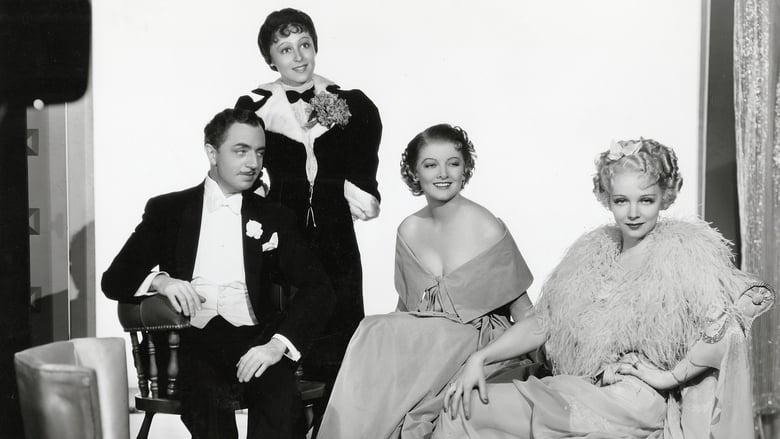
At the center of all this spectacle is William Powell’s portrayal of Ziegfeld himself. With his suave demeanor, wry humor, and boundless charm, Powell captures both the entrepreneurial spirit and romantic heart that made Ziegfeld so successful in his career and magnetic to women in his personal life.
Alongside Powell are several other notable performers who infuse their roles with wit, passion, and pathos. Luise Rainer delivers an Oscar-winning performance as Anna Held, a French singer whom Ziegfeld falls madly in love with despite their cultural differences. Myrna Loy shines as Billie Burke, a talented actress and Ziegfeld’s eventual wife, who endures heartache and triumphs both on and off the stage.
The supporting cast is no less impressive, featuring such luminaries as Frank Morgan, Virginia Bruce, Reginald Owen, and even Harpo Marx in a memorable cameo. Together, they bring to life a rich tapestry of personalities and relationships that give The Great Ziegfeld its emotional depth and resonance.
But beyond its sparkling entertainment value and all-star cast, The Great Ziegfeld also offers fascinating insights into the history of American show business. Through its depiction of Ziegfeld’s innovative marketing strategies, backstage rivalries, financial struggles, and creative breakthroughs, the film sheds light on the complex and often precarious nature of theatrical productions.
It also paints a vivid picture of the changing social mores and technological advancements that drove the evolution of live entertainment. From the rise of cinema to the advent of radio broadcasts, Ziegfeld faced countless challenges in navigating an industry that was constantly evolving while maintaining his vision for lavish spectacles that could captivate audiences for hours at a time.
All these elements come together in a dazzling climax that spans an entire hour and showcases some of the most memorable scenes in Hollywood history. From Brice’s hilarious rendition of “My Man” to Burke’s ethereal performance in “A Pretty Girl Is Like a Melody,” this sequence is a treasure trove of musical gems that have inspired generations of performers since its release.
Overall, The Great Ziegfeld stands as a testament to the power of imagination, ambition, and creativity in shaping not only one man’s career but an entire industry. It reminds us that behind every blockbuster hit or legendary performer lies years of hard work, sacrifice, risk-taking, and sheer passion. And it invites us to marvel at the magic that can be created when visionaries like Ziegfeld dare to dream big and make their dreams a reality.
Technical Data
- Release : 1936-04-08
- Runtime : 176
- Genre : Drama, Music, Romance
- Cast : William Powell as Florenz ‘Flo’ Ziegfeld Jr., Myrna Loy as Billie Burke, Luise Rainer as Anna Held, Frank Morgan as Billings, Fanny Brice as Fannie Brice
- Crew : Karl Freund as Director of Photography, Merritt B. Gerstad as Director of Photography, Cedric Gibbons as Art Direction, Adrian as Costume Design, George J. Folsey as Director of Photography
- Revenue : 0
- Budget : 0
- Company : Metro-Goldwyn-Mayer
- Popularity : 9.348
- Summary : Lavish biography of Flo Ziegfeld, the producer who became Broadway’s biggest starmaker.
- Tagline : The Sensation of the Century!
