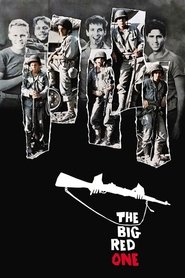
“The Big Red One 1980” is a gritty war film that follows a group of soldiers through their experiences in World War II. This movie is a rollercoaster of emotions, showcasing the horrors of battle and loss, as well as the loyalty and brotherhood shared among soldiers. The ensemble cast delivers powerful performances, taking audiences on a heart-wrenching journey through the chaos of war. Overall, “The Big Red One 1980” is an intense and emotional masterpiece that captures the essence of what it means to be a soldier fighting for your country.
CLICK HEREâ³â³â³ðŸŽ«_Watch The Big Red One 1980 English Subtitles_
Review
The Big Red One – The Untold Story of WWII
War has always been a topic of interest when it comes to making films. The struggles, the battles, and the triumphs of soldiers often make compelling stories that depict the raw strength and resilience of humanity. One such movie that stands out is “The Big Red One,” directed by Samuel Fuller in 1980.
The film tells the untold story of a group of American soldiers as they fight their way through Europe during World War II. The story follows the journey of Sergeant Possum (Lee Marvin) and his men as they battle their way through North Africa, Sicily, Omaha Beach, Belgium, and Germany.
The storyline captures the essence of war from a soldier’s perspective – the fear, anxiety, camaraderie, and sacrifice that come with fighting for your country. It showcases how fate plays a vital role in war as soldiers are thrown into perilous situations without warning.
Perhaps one of the most remarkable aspects of “The Big Red One” is how it shows the everyday life of soldiers at war —the downtime between battles, where they talk about their lives back home or share jokes to distract them from reality. Such scenes give an emotional depth to characters which makes them relatable.
As we delve into this film further, let’s look at some interesting facts about it. Firstly Lee Marvin who played Sergeant Possum was himself a WWII veteran who had served in the U.S Marine Corps during World War II. His experience brought authenticity to his role and helped him connect with other actors around him on set who were also veterans.
Another fact worth noting is that the original cut was nearly five hours long! However, due to its commercial potential limitations imposed by studios at that time meant that Fuller had to trim it down to two hours twenty-eight minutes running time we see today.
Despite being made over thirty years ago now, “The Big Red One” continues to resonate with audiences today. The film’s tone, pacing and score provide a mixture of raw emotion and brutality that leaves a lasting impact on its viewers.
The film’s cast is another high point worth exploring. Lee Marvin, who leads the soldiers as Sergeant Possum, is an exceptionally talented actor who was known for his roles in other war films like “The Dirty Dozen” and “Hell in the Pacific.” The other actors like Mark Hamill (Private Griff), Robert Carradine (Private Zab), Kelly Ward (Private Johnson), Bobby Di Cicco (Private Vinci) all deliver brilliant performances that bring depth to their characters and make them flesh out realistically.
The movie also features a famous quote delivered by Sergeant Possum himself: “Surviving war is not living. It is surviving. The final act of survival is taking care of those next to you.” These powerful words sum up the essence of the film – how it’s not about winning or losing but having each other’s backs when it matters most.
“The Big Red One” was filmed on location in Israel due to its resemblance to parts of North Africa and Europe. The production team even managed to secure several original WWII vehicles and weaponry, which added to the authenticity of the film.
As mentioned earlier, “The Big Red One” was trimmed down significantly from its original cut; however, it still managed to earn critical acclaim at its release. In 1980, it won the National Society of Film Critics Award for Best Cinematography by Adam Greenberg.
Despite its success, some critics did not take kindly to it. Some saw it as a typical depiction of America’s Great Redemption and others felt it romanticized war rather than depicting its horrors accurately.
Nevertheless, “The Big Red One” remains an essential film for war enthusiasts with much to appreciate about its storyline, captivating cast performances, solid cinematography and iconic score by composer Dana Kaproff. Its unflinching portrayal of WWII soldier’s lives is a potent reminder of the bloodshed and bravery that wars demand.
In conclusion, “The Big Red One” is a film that captures the essence of war from the eyes of soldiers who were there. It does not glorify or romanticize it, but rather presents an honest representation of life and death in combat. The film’s powerful message still resonates with viewers today and will continue to do so for years to come.
Technical Data

- Release : 1980-01-22
- Runtime : 113
- Genre : Drama, War
- Cast : Lee Marvin as The Sergeant, Mark Hamill as Griff, Robert Carradine as Zab, Bobby Di Cicco as Vinci, Kelly Ward as Johnson
- Crew : Adam Greenberg as Director of Photography, Arne Schmidt as Assistant Director, David Dockendorf as Sound Re-Recording Mixer, Peter Jamison as Art Direction, Monte Hellman as Second Unit Director
- Revenue : $7,206,220
- Budget : $4,500,000
- Company : Lorimar Productions, United Artists
- Popularity : 10.058
- Summary : A veteran sergeant of World War I leads a squad in World War II, always in the company of the survivor Pvt. Griff, the writer Pvt. Zab, the Sicilian Pvt. Vinci and Pvt. Johnson, in Vichy French Africa, Sicily, D-Day at Omaha Beach, Belgium and France, and ending in a concentration camp in Czechoslovakia where they face the true horror of war.
- Tagline : Only chance could have thrown them together. Now, nothing can pull them apart.
