“Salò” is a grotesque and disturbing masterpiece that explores the depths of depravity and power. Set in Fascist Italy, it follows four wealthy men who subject a group of young people to sadistic, sexual torture and humiliation in a secluded villa. The film is an unflinching look at the horrors of human behavior, pushing viewers to confront uncomfortable truths about power and domination. It’s not for the faint of heart, but those willing to endure its graphic scenes will be rewarded with a thought-provoking critique of humanity’s darkest impulses.

CLICK HERE??????????_Watch Salò, or the 120 Days of Sodom 1976 English Subtitles_
Review
Salò, or the 120 Days of Sodom: A Savage Tale of Human Horror
In the early 1970s, Italian filmmaker Pier Paolo Pasolini released one of his most controversial works yet – Salò, or the 120 Days of Sodom. Adapted from the infamous novel by Marquis de Sade, this film depicts the depraved orgies and tortures committed by a group of fascist aristocrats in Italy during World War II. It was hailed by some as a masterpiece of cinema verite and condemned by others as obscene and offensive. But no one could deny its power to shock and disturb.
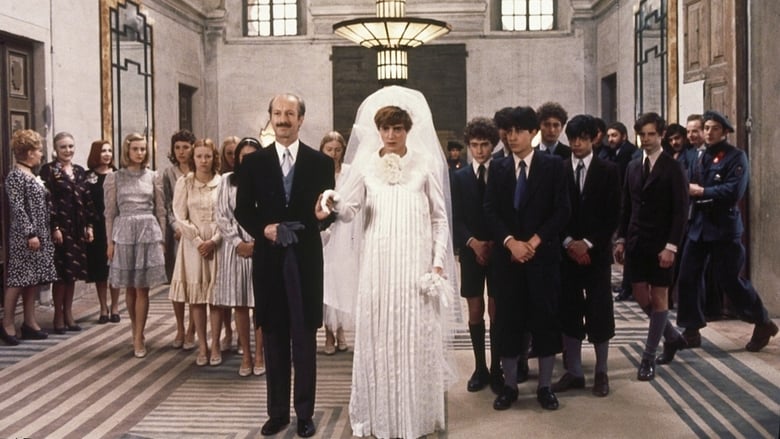
The story takes place in the Republic of Salò, a short-lived puppet state created by Mussolini’s fascist regime in northern Italy. Four wealthy libertines – the Duke (Paolo Bonacelli), the Bishop (Giorgio Cataldi), the Magistrate (Uberto Paolo Quintavalle), and the President (Aldo Valletti) – decide to lock themselves up in a remote villa with nine young men and nine young women. They have hired four elderly prostitutes to tell them erotic stories, which become increasingly graphic and violent in nature.
As their lustful desires escalate, so do their sadistic impulses. The libertines subject their captives to all manner of physical and psychological abuse: beatings, burnings, branding, mutilation, rape, sodomy, coprophagia (eating feces), urolagnia (drinking urine), enemas, and other acts too vile to mention. The victims are stripped of their humanity and reduced to mere objects for their tormentors’ pleasure.
Throughout the film, Pasolini uses various symbols and motifs to critique fascism, capitalism, patriarchy, religion, sexuality, power dynamics, class struggles, and moral decay. He juxtaposes footage of Nazi rallies with scenes of orgies; he quotes from Dante’s Inferno and De Sade’s writings; he frames the action in a highly stylized, theatrical manner; he breaks the fourth wall and addresses the audience directly; he uses low-angle shots and extreme close-ups to emphasize the grotesque and the visceral.
The cast of Salò is exceptional in their performances, especially considering the difficult and disturbing material they had to work with. Bonacelli, Cataldi, Quintavalle, and Valletti are chillingly convincing as the four main villains, each embodying a different aspect of tyranny and perversion. The young actors playing the victims are brave and vulnerable, exposing themselves both physically and emotionally. And the prostitutes (Caterina Boratto, Elsa De Giorgi, Hélène Surgère, Sonia Saviange) bring a touch of humor and irony to their roles as narrators.
Salò’s impact on cinema history is undeniable – it has influenced generations of filmmakers who seek to push boundaries and challenge audiences. It has also sparked fierce debates about censorship, artistic freedom, social responsibility, and ethics. Some critics have praised it as a masterpiece of subversion; others have denounced it as a moral abomination. But regardless of one’s personal opinion on it, Salò remains a testament to Pasolini’s daring vision and uncompromising spirit.
As Gabriel Garcia Marquez once wrote in his novel Love in the Time of Cholera: “Humanity…is given its own form by that which destroys it.” In Salò’s case, that form is both horrifically grotesque and hauntingly beautiful. Its images linger in your mind long after you’ve seen them – like scars on your soul. And its message resonates with our own troubled times – reminding us that fascism can still rear its ugly head if we’re not careful.
The film is not an easy one to watch – it requires a strong stomach, an open mind, and a willingness to confront the darkest aspects of human nature. But if you’re up for the challenge, Salò offers a unique and unforgettable journey into the abyss of depravity. It is a work of art that transcends its own limits – like a freak show that becomes a mirror for society. As Pasolini once said, “The crowd must feel like it’s watching something forbidden – not only an aesthetic experience, but also an ethical one.” Salò, or the 120 Days of Sodom certainly fulfills that promise.
Technical Data
- Release : 1976-01-10
- Runtime : 117
- Genre : Drama
- Cast : Paolo Bonacelli as The Duke, Giorgio Cataldi as The Bishop, Umberto P. Quintavalle as The Magistrate, Aldo Valletti as The President, Caterina Boratto as Signora Castelli
- Crew : Ennio Morricone as Music Consultant, Tonino Delli Colli as Director of Photography, Dante Ferretti as Production Design, Nino Baragli as Editor, Sandro Battaglia as First Assistant Camera
- Revenue : $22,017
- Budget : 0
- Company : Les Productions Artistes Associés, PEA
- Popularity : 23.779
- Summary : Four corrupted fascist libertines round up 9 teenage boys and girls and subject them to 120 days of sadistic physical, mental and sexual torture.
- Tagline : The final vision of a controversial filmmaker.
